When Can You Exercise After a Hair Transplant?
A phased guide to resuming physical activity safely after surgery, from gentle walks to full-intensity workouts.
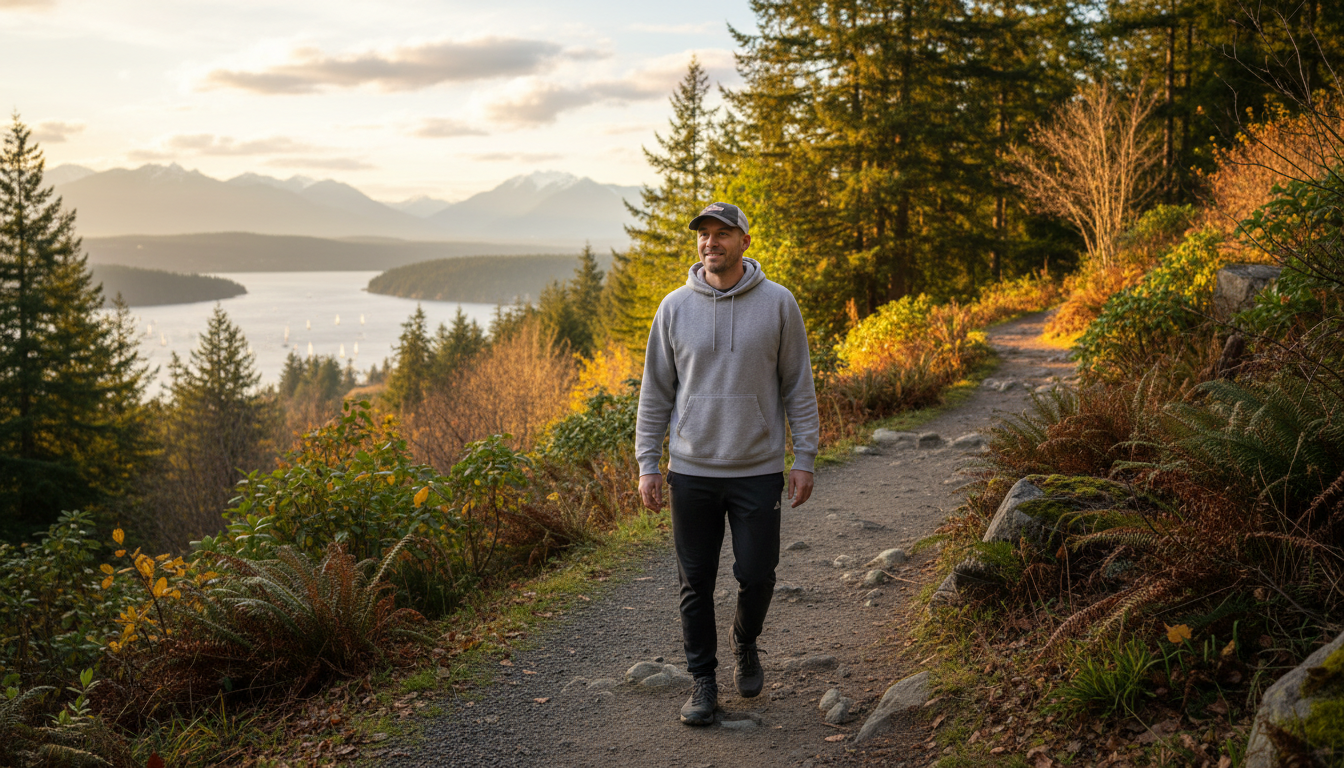
One of the most common questions we hear from patients at Bellevue Hair Doctor is about when they can safely return to exercise after their FUE hair transplant procedure. If you lead an active lifestyle, the thought of taking time off from the gym, your running routine, or weekend hikes around the Pacific Northwest can feel daunting. The good news is that the break is temporary, and following a structured return-to-exercise plan actually supports better graft survival and overall recovery.
This guide provides a detailed, phased timeline for resuming physical activity after hair transplant surgery. We have developed these recommendations based on decades of clinical experience and a thorough understanding of how transplanted follicles heal. Whether you are a dedicated weightlifter, a yoga enthusiast, or someone who simply enjoys walking the trails at Bellevue Downtown Park, you will find clear guidance on when each type of activity is safe to resume.
Why Does Exercise Matter During Hair Transplant Recovery?
Exercise is generally excellent for your health, but in the days and weeks following hair transplant surgery, your body needs to prioritize healing above all else. Newly transplanted grafts are extremely delicate during the first seven to fourteen days. Each graft sits in a tiny recipient site that must form a secure blood supply connection with the surrounding tissue. Any disruption during this critical window can compromise graft survival.
Physical activity affects your recovery in several important ways:
- Blood pressure elevation: Exercise raises your heart rate and blood pressure, which can increase bleeding at both the donor and recipient sites during the first week.
- Sweating: Perspiration on the scalp creates a moist environment that can harbor bacteria, increasing infection risk before incision sites have fully closed.
- Physical contact risk: Certain exercises put you at risk of bumping, rubbing, or putting direct pressure on your transplanted grafts.
- Swelling: Intense activity can worsen post-operative swelling, particularly in the forehead region, which can delay your overall recovery. For more on managing this, see our guide on sleeping positions after hair transplant.
Understanding these factors helps explain why a graduated return to exercise is not overly cautious; it is medically necessary to protect your investment in hair restoration.
Phase 1: Days 1 Through 7 -- Walking Only
The first week after your hair transplant is the most restrictive period. During this phase, the only recommended physical activity is gentle walking at a comfortable, conversational pace. You should not be breathing hard, sweating noticeably, or raising your heart rate significantly above resting levels.
What Walking Does for You
Gentle walking actually supports your recovery in meaningful ways. It promotes healthy circulation without the blood pressure spikes that come from vigorous exercise. Light movement also helps prevent blood clots, reduces stiffness from resting, and supports your mental health during a period when you may feel restless or confined. Many of our Bellevue patients enjoy short walks around their neighborhood or a slow stroll through a park, keeping the pace easy and the duration to around fifteen to twenty minutes.
Activities to Strictly Avoid During Week One
- Jogging, running, or any cardiovascular exercise that elevates your heart rate
- Weightlifting or any form of resistance training
- Bending forward or any activity where your head goes below your heart (including certain yoga poses)
- Swimming in pools, hot tubs, lakes, or the ocean
- Contact sports of any kind
- Sexual activity (due to elevated heart rate and blood pressure)
- Heavy household chores like vacuuming, mopping, or lifting heavy objects
"The first week is truly about patience. Every graft you protect now is one that will grow into a permanent, healthy hair. The temporary sacrifice of your workout routine pays dividends for years to come."
Phase 2: Days 8 Through 14 -- Light Activity
Once you have passed the one-week mark, you can begin introducing light physical activity beyond walking. At this point, most recipient site scabs have either fallen off naturally or been gently removed during your post-transplant hair washing routine. The grafts are becoming more secure in their new positions, though they are still not fully anchored.
Appropriate Activities for Week Two
- Brisk walking: You can increase your walking pace and extend your duration to thirty to forty-five minutes.
- Stationary cycling: Light cycling on a stationary bike at low resistance is acceptable, as long as you are not gripping the handlebars tightly or leaning far forward.
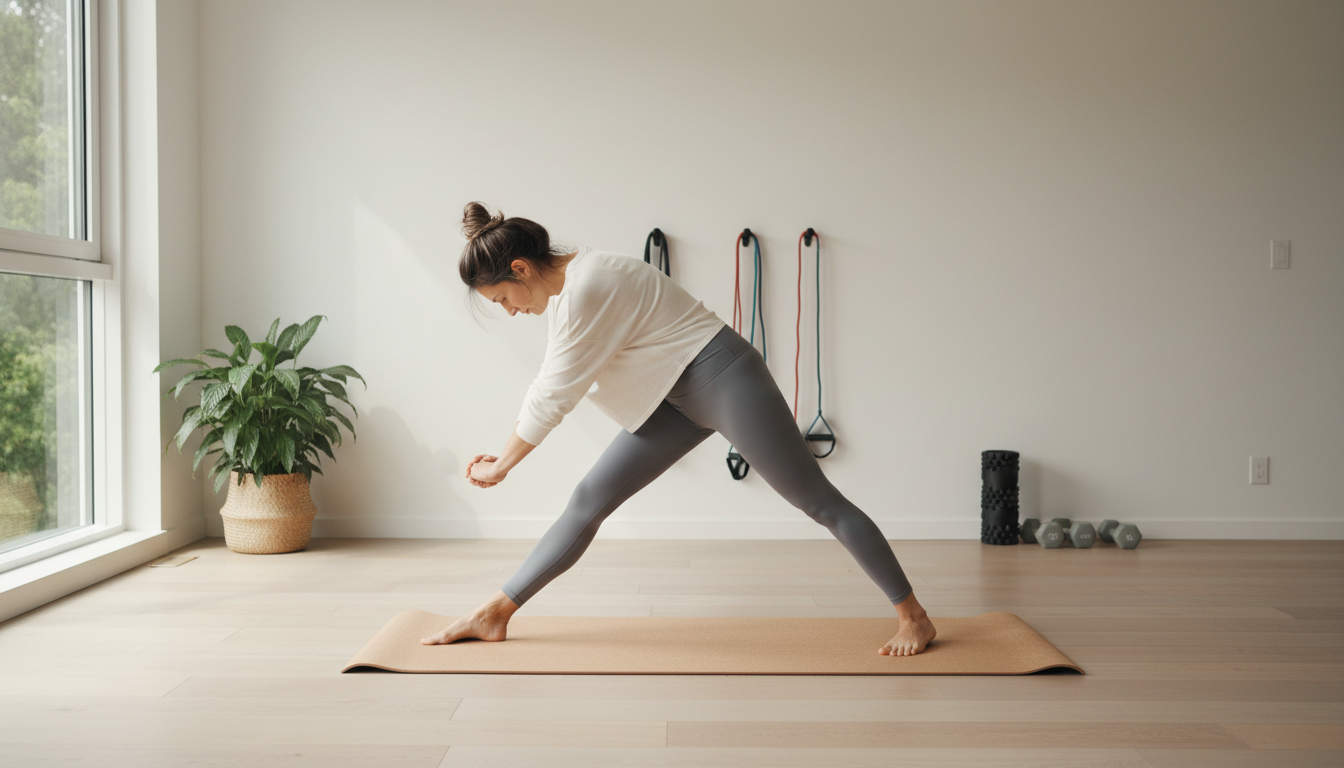
- Gentle stretching: Basic stretching routines are fine, but avoid any position where your head drops below your waist.
- Light household tasks: You can resume normal daily activities around the house, though you should still avoid heavy lifting.
What to Monitor
Pay close attention to how your scalp responds. If you notice any redness, tenderness, or swelling that increases during or after activity, that is a signal to scale back. Some patients heal faster than others, and the pace of your return to exercise should reflect your individual recovery trajectory.
Phase 3: Weeks 3 and 4 -- Moderate Exercise
By the third week, the transplanted grafts are substantially more secure. The follicles have established initial blood supply connections, and the risk of graft dislodgement from normal physical activity has decreased significantly. This is when most patients begin to feel comfortable returning to more familiar exercise routines, though with some modifications.
Activities You Can Resume
- Jogging and moderate cardio: You can return to running at a moderate pace. Start with shorter distances and build back gradually.
- Light to moderate weightlifting: Resume weight training at approximately fifty to sixty percent of your normal intensity. Avoid exercises that cause you to strain, hold your breath, or turn red in the face.
- Yoga and Pilates: Most poses and movements are now safe, including gentle inversions. Avoid headstands or prolonged positions with your head below your heart.
- Elliptical and rowing machines: These are fine at moderate intensity.
- Golf, tennis, and recreational sports: Light recreational play is generally acceptable, but avoid situations where you might take a ball or racquet to the head.
Gym Hygiene Considerations
When you return to a gym environment, hygiene becomes an important factor in protecting your healing scalp. Gym equipment, benches, and mats can harbor bacteria that you do not want near your healing graft sites. Consider the following precautions:
- Wipe down all equipment before and after use with antibacterial wipes
- Bring a clean towel to place between your head and any bench or headrest
- Avoid touching your scalp during workouts, even to wipe away sweat
- Wear a loose-fitting, clean cap if your clinic has cleared you to do so
- Shower promptly after your workout using the gentle washing technique recommended by your surgeon
Phase 4: Month 2 and Beyond -- Full Activity
Starting around the five to six week mark for most patients, you can begin working back toward your full pre-surgery exercise intensity. By this point, the grafts are firmly established, the risk of dislodgement is essentially zero from normal exercise, and your body has healed the vast majority of the surgical sites.
Returning to Full Intensity
Even though you are cleared for full activity, we recommend a gradual approach rather than jumping straight back to your previous maximums. Your body has been through a recovery period, and your cardiovascular fitness and strength will have decreased somewhat. Take one to two weeks to ramp back up to full intensity to avoid injury and excessive soreness.
| Activity Type | Safe to Resume | Notes |
|---|---|---|
| Heavy weightlifting (deadlifts, squats) | Week 5-6 | Build back to max over 2 weeks |
| High-intensity interval training (HIIT) | Week 5-6 | Start at 70% effort, progress gradually |
| Contact sports (basketball, soccer, martial arts) | Week 6-8 | Wear head protection if applicable |
| Swimming (pool or open water) | Week 4-6 | Ensure all scabs have fully resolved |
| Rock climbing | Week 5-6 | Wear a helmet; watch for overhead holds |
| CrossFit | Week 5-6 | Modify movements initially; avoid head contact |
The Risks of Exercising Too Soon
Patients sometimes ask whether they can bend the rules slightly or return to the gym a few days early. While we understand the desire to stay active, exercising too soon carries real risks that can affect your final results:
Graft Dislodgement
During the first seven to ten days, grafts are held in place primarily by the clotting mechanism and early healing tissue. A sharp increase in blood pressure, a bump to the scalp, or even excessive sweating can loosen or dislodge grafts before they have fully anchored. Once a graft is lost, it cannot be replaced without an additional procedure.
Increased Swelling
Vigorous exercise causes fluid redistribution and increased blood flow to the head. Patients who exercise too early commonly experience more pronounced forehead and periorbital swelling, which can be uncomfortable and take longer to resolve. This is especially relevant for patients who have had work done along the frontal hairline.
Bleeding and Delayed Healing
Elevated blood pressure from exercise can reopen donor and recipient sites that had begun to close. Even minor bleeding can slow the healing process and increase the risk of noticeable scarring, particularly in the donor area.
Infection
Sweat combined with open or barely-healed incision sites creates conditions where bacteria can thrive. Gym environments, swimming pools, and even outdoor exercise in warm conditions expose you to potential infection sources. An infection in the recipient area can destroy grafts and compromise your results.
Outdoor Exercise in Bellevue's Climate
Living in the Pacific Northwest offers wonderful opportunities for outdoor exercise, but Bellevue's climate presents a few specific considerations during hair transplant recovery. The region's frequent overcast days might tempt you to skip sun protection, but UV radiation penetrates clouds and can damage your healing scalp even on gray days.

During the fall and winter months, rain is common. If you are walking outdoors in your first two weeks of recovery, consider wearing a loose, clean hat to keep rain off your scalp, but only after your surgeon has given you the go-ahead to cover your head. The cooler temperatures in Bellevue during autumn and winter are actually beneficial, as you are less likely to sweat heavily during light walks.
For patients recovering during warmer months, early morning or evening walks help you avoid peak sun exposure. Bellevue's extensive trail system, including paths around Meydenbauer Bay and the Downtown Park, provides excellent options for flat, easy walking routes that keep your heart rate low during early recovery.
How Exercise Supports Long-Term Hair Health
Once you are fully cleared to return to your exercise routine, staying physically active actually benefits your hair health. Regular exercise improves blood circulation throughout the body, including the scalp, which ensures transplanted follicles receive the nutrients and oxygen they need to produce strong, healthy hair. Cardiovascular fitness supports the microvasculature that feeds each follicle.
Combining regular exercise with supportive treatments like PRP therapy can further optimize your results. PRP delivers concentrated growth factors directly to the scalp, while exercise ensures robust blood flow to deliver those factors where they are needed. Many of our patients find that this combination approach yields the best long-term outcomes.
Exercise also reduces stress, which is a known contributor to hair thinning and telogen effluvium. By maintaining an active lifestyle after your full recovery period, you support not only your transplanted hair but also the health of your existing native hair.
Frequently Asked Questions
Can I do push-ups or sit-ups during the first week?
No. Both push-ups and sit-ups significantly raise blood pressure and can cause blood to rush to your head. These exercises also involve positions where your head is at or below heart level, which increases swelling risk. Wait until at least week three, and start with modified versions at lower intensity.
What if I accidentally sweat during week one?
If you sweat lightly from normal activity like a warm room, gently blot your scalp with a clean, soft cloth without rubbing. Do not let sweat sit on your scalp for extended periods. If heavy sweating occurs, contact your clinic for specific cleaning instructions based on how many days post-op you are.
Can I wear a headband or sweatband during exercise?
Avoid any headband or sweatband that puts pressure on or near the transplanted area for at least four weeks. After that, loose-fitting accessories that do not compress the grafts are generally acceptable.
I am a professional athlete. Can I return to training sooner?
Professional athletes and serious competitors should discuss an individualized return-to-play timeline with their surgeon. While your baseline fitness level may support faster healing, the biology of graft integration follows the same timeline regardless of fitness level. We can work with your training staff to develop a plan that minimizes time away while protecting your results.
Planning Your Surgery Around Your Fitness Schedule
If you are considering a hair transplant and maintaining your exercise routine is a priority, we recommend planning your procedure around a natural break in your training cycle. Many of our patients schedule surgery before a planned vacation, during an off-season, or at a time when they can afford four to six weeks of reduced activity without impacting competitive goals or major fitness events.
Our team at Bellevue Hair Doctor is happy to discuss scheduling strategies during your free consultation. We understand that for many of our patients, fitness is not just a hobby but an integral part of their lifestyle and identity. Our goal is to help you achieve outstanding hair restoration results without unnecessarily disrupting the activities that matter to you.
Related Posts
How to Wash Your Hair After a Hair Transplant
The exact washing technique, timing, and products to use for safe post-transplant hair care without damaging new grafts.
Managing Swelling and Discomfort After Hair Transplant Surgery
Proven techniques to minimize forehead swelling, reduce discomfort, and speed your recovery in the first week after surgery.
Hair Transplant Recovery Timeline: What to Expect Month by Month
A comprehensive month-by-month guide to hair transplant recovery, from day one through full results at twelve months.
Schedule Your Free Consultation
Get a personalized recovery plan tailored to your fitness level and lifestyle goals. Our team at Bellevue Hair Doctor is here to support every step of your journey.