Female Hair Loss: Common Causes and Treatment Options
Why women experience hair thinning and loss, from hormonal shifts to medical conditions, and which treatments deliver real results.
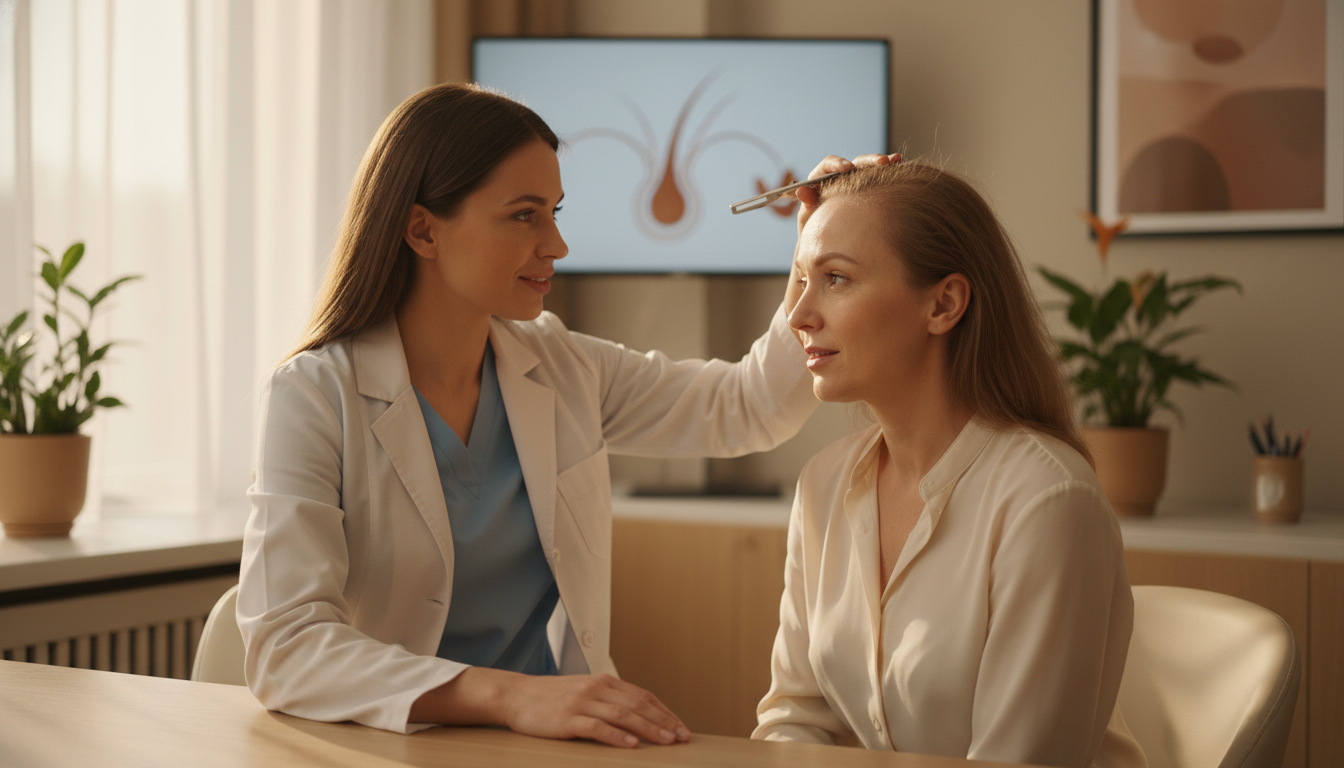
Hair loss in women is far more common than most people realize. Approximately 40 percent of women will experience visible hair thinning by the age of 50, and the number climbs significantly through later decades. Yet female hair loss receives a fraction of the attention and research funding directed at male pattern baldness. The result is that millions of women cope with thinning hair while feeling isolated and unsure of where to turn for help.
The experience of hair loss is often more emotionally devastating for women than for men, largely because society has fewer cultural frameworks for accepting it. While a shaved head on a man carries no social stigma, women who lose their hair frequently report profound effects on self-esteem, social confidence, and psychological wellbeing. Understanding the causes and available treatments is the first step toward taking control of the situation.
How Female Hair Loss Differs From Male Hair Loss
The most important distinction between male and female pattern hair loss is the pattern itself. Men typically lose hair at the temples and crown, eventually developing the familiar horseshoe shape. Women, by contrast, almost never experience frontal hairline recession. Instead, female pattern hair loss presents as diffuse thinning across the top of the scalp, often most visible as a widening part line. The Ludwig scale is the standard classification system for this pattern, dividing it into three stages of increasing severity.
This difference in pattern has significant implications for treatment. Because women retain their frontal hairline, hair transplant surgery in women often focuses on increasing density along the part and crown rather than rebuilding a receded hairline. The diffuse nature of female thinning also means that medical treatments and PRP therapy can sometimes produce more visible improvement in women than in men, because the miniaturizing follicles are spread more evenly and may respond well to stimulation.
The Ludwig Scale: Classifying Female Hair Loss
The Ludwig scale provides a clinical framework for assessing the severity of female pattern hair loss:
- Ludwig Grade I: Mild thinning along the part line. The part appears slightly wider than normal, but hair density remains sufficient to cover the scalp in most styling configurations. This is the stage at which early intervention is most effective.
- Ludwig Grade II: Moderate thinning with noticeable reduction in volume across the top of the scalp. The scalp becomes visible through the hair, particularly in bright or overhead lighting. Women at this stage often report that their ponytail has become thinner and that hairstyles they once wore no longer provide adequate coverage.
- Ludwig Grade III: Advanced thinning with significant scalp visibility across the entire crown. The remaining hairs on top are sparse and fine. This stage represents substantial follicular miniaturization and typically requires more aggressive treatment approaches.
Hormonal Causes of Female Hair Loss
Menopause and Perimenopause
The hormonal shifts that accompany menopause are among the most common triggers for hair thinning in women over 40. As estrogen and progesterone levels decline, the relative influence of androgens increases. Even though a woman's androgen levels may not change significantly, the loss of estrogen's protective effect can allow those androgens to affect susceptible hair follicles. Many women notice their hair becoming thinner, drier, and more fragile during perimenopause, with the changes accelerating after menopause is fully established.
Polycystic Ovary Syndrome (PCOS)
PCOS is one of the most common endocrine disorders in women of reproductive age, affecting an estimated 8 to 13 percent of women worldwide. The condition involves elevated androgen levels, which can drive hair loss in a pattern that sometimes more closely resembles male pattern baldness, including temple recession. Women with PCOS-related hair loss may also notice increased facial and body hair alongside scalp thinning, a paradox that reflects the different responses of hair follicles in different body regions to androgens.
Pregnancy and Postpartum Hair Loss
During pregnancy, elevated estrogen levels prolong the growth phase of the hair cycle, resulting in thicker, fuller hair for many women. After delivery, the sudden drop in estrogen triggers a synchronized shedding event known as postpartum telogen effluvium. This can result in alarming amounts of hair loss, typically beginning two to four months after giving birth. While the experience can be distressing, postpartum hair loss is almost always temporary, with normal hair density returning within six to twelve months.
Thyroid Disorders
Both hypothyroidism (underactive thyroid) and hyperthyroidism (overactive thyroid) can cause diffuse hair thinning. Thyroid hormones play a critical role in regulating the hair growth cycle, and imbalances in either direction can push a disproportionate number of follicles into the resting or shedding phase. The good news is that hair loss caused by thyroid disorders is typically reversible once the underlying condition is properly treated with medication.
Telogen Effluvium: Stress-Related Shedding
Telogen effluvium is one of the most common forms of non-permanent hair loss in women. It occurs when a significant physical or emotional stressor pushes a large number of hair follicles into the telogen (resting) phase simultaneously. Two to three months later, those hairs are shed in a diffuse pattern all over the scalp. Common triggers include major surgery, high fever, severe illness, extreme weight loss, emotional trauma, and starting or stopping certain medications.
The key feature of telogen effluvium that distinguishes it from androgenetic alopecia is that it is self-limiting. Once the triggering event has resolved, the hair cycle resets, and normal growth resumes. However, chronic telogen effluvium can occur when the stressor is ongoing, such as chronic illness, prolonged nutritional deficiency, or unresolved emotional stress. In these cases, the shedding continues until the underlying cause is addressed.
Traction Alopecia
Traction alopecia results from sustained mechanical tension on hair follicles, typically caused by tight hairstyles worn repeatedly over months or years. Tight ponytails, braids, cornrows, extensions, weaves, and hair pulled back with clips or bands can all create enough tension to damage follicles, particularly along the hairline and at the temples. Early traction alopecia is fully reversible by changing hairstyling practices. However, if the tension continues for too long, the follicles can become permanently scarred and unable to regrow hair, making early recognition essential.
Nutritional Deficiencies
Hair growth requires a steady supply of specific nutrients, and deficiencies in any of them can contribute to thinning. The most common nutritional causes of hair loss in women include:
- Iron deficiency: The most prevalent nutritional deficiency worldwide, iron deficiency is particularly common in women due to menstruation. Ferritin levels below 30 ng/mL have been associated with increased hair shedding, even when hemoglobin levels remain in the normal range.
- Vitamin D deficiency: Research has linked low vitamin D levels to various forms of hair loss, including alopecia areata and female pattern hair loss. Women in the Pacific Northwest may be at particular risk due to limited sun exposure during winter months.
- Biotin deficiency: While true biotin deficiency is relatively rare in people eating a varied diet, it can occur in women taking certain medications or with specific genetic conditions. Biotin supplementation has become enormously popular, though evidence for its benefit in women without a true deficiency remains limited.
- Zinc deficiency: Zinc plays an essential role in hair tissue growth and repair. Deficiency can lead to thinning hair and slower regrowth after shedding episodes.
- Protein deficiency: Severe caloric restriction or extremely low-protein diets can trigger telogen effluvium as the body diverts protein away from non-essential functions like hair production.
Treatment Options for Women
Medical Treatments
Minoxidil is the most widely used medical treatment for female hair loss and the only FDA-approved topical treatment for women. Applied to the scalp daily, it helps extend the growth phase of the hair cycle and increase follicular size. Women typically begin with the 2% formulation, though many dermatologists now recommend 5% for faster and more robust results. Oral minoxidil at low doses has also gained attention as an alternative for women who find topical application impractical or experience scalp irritation.
Spironolactone, an anti-androgen medication originally developed as a blood pressure treatment, is frequently prescribed off-label for women with androgen-related hair loss. It works by blocking androgen receptors and reducing androgen production. Because it can cause birth defects, it is not appropriate for women who are or may become pregnant.
PRP Therapy
Platelet-rich plasma therapy has shown particularly promising results in women with early to moderate hair thinning. Because female pattern hair loss tends to involve diffuse miniaturization rather than complete follicular death, the growth factors in PRP can effectively stimulate weakened follicles to produce thicker, healthier hair. A typical treatment protocol involves three to four sessions spaced four to six weeks apart, followed by maintenance treatments every six to twelve months.
Surgical Hair Restoration for Women
Female hair restoration surgery requires a different approach than the procedures designed for men. The goals, donor area characteristics, and design considerations are all distinct. Women who are candidates for transplant surgery typically have a stable pattern of loss, adequate donor density, and realistic expectations about the degree of improvement that can be achieved.
No-shave FUE is particularly appealing for women because it allows the procedure to be performed without shaving the donor area. This means women can return to their normal routine without the telltale signs of having undergone surgery, a priority for many female patients who wish to keep their treatment private.
Women deserve a treatment approach that accounts for the unique biology of female hair loss. The conditions that cause thinning in women are more varied than in men, and the solutions need to be just as individualized.
Why Women Need a Different Approach
The hair restoration field has historically focused on male patients, and many treatment protocols were developed with men in mind. Women need a provider who understands the distinct biology of female hair loss, the broader range of potential causes, and the different aesthetic goals involved. A receding hairline in a man requires a very different surgical design than diffuse thinning along a woman's part line. The donor area in women may be less robust than in men, requiring more careful planning to achieve adequate coverage without over-harvesting.
Perhaps most importantly, women need a thorough diagnostic workup before any treatment begins. Because female hair loss has so many potential causes, including hormonal imbalances, autoimmune conditions, nutritional deficiencies, and medication side effects, it is essential to identify the underlying driver before selecting a treatment. Jumping straight to surgical restoration without addressing a thyroid disorder or iron deficiency, for example, would be both ineffective and inappropriate.
When to Seek Professional Help
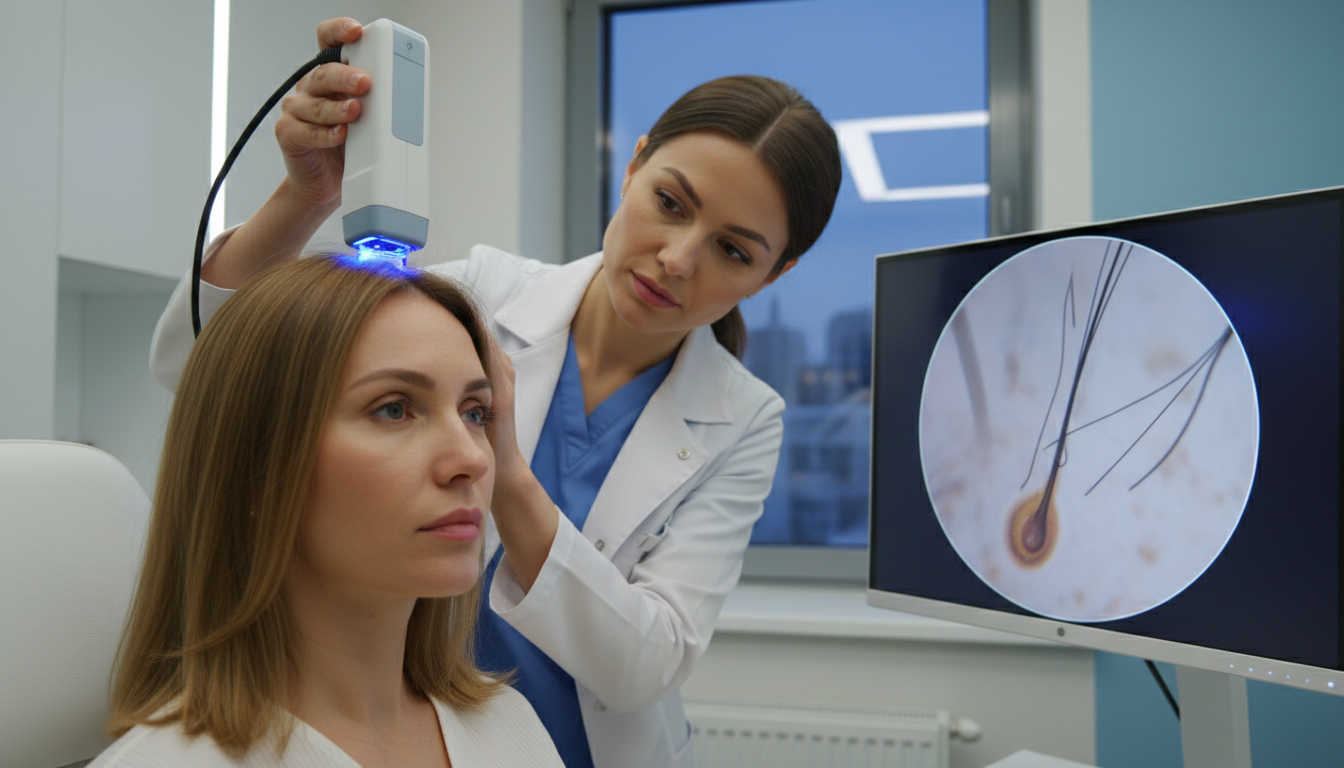
If you are noticing a widening part, increased hair on your brush, a thinner ponytail, or visible scalp where it was not previously visible, it is time to consult a specialist. The earlier you seek evaluation, the more options you will have and the better your outcomes are likely to be. A comprehensive consultation should include a detailed medical history, blood work to check for hormonal and nutritional causes, a scalp examination, and possibly a trichoscopic analysis to assess the ratio of miniaturized to terminal hairs.
At Bellevue Hair Doctor, we have extensive experience treating hair loss in women and understand the unique emotional and clinical dimensions of this condition. Our approach begins with identifying the root cause and building a treatment plan that may incorporate medical therapy, PRP treatments, lifestyle modifications, and, when appropriate, surgical restoration. The goal is to deliver visible improvement while addressing the underlying biology driving the loss.
Related Articles
Understanding Male Pattern Baldness: Causes, Stages & Solutions
A clinical guide to androgenetic alopecia in men, covering the Norwood scale, genetic factors, and all available treatment options.
Types of Alopecia Explained: From Androgenetic to Alopecia Areata
A comprehensive breakdown of alopecia types, how each progresses, and which conditions respond best to surgical vs. medical treatment.

PRP Therapy for Hair Restoration: What to Expect
How platelet-rich plasma therapy works, what a session involves, expected results, and how PRP complements hair transplant surgery.
Schedule Your Free Consultation
Have questions about hair loss or treatment options? Our board-certified specialists are here to help.