FUE vs FUT: Which Hair Transplant Method Is Right for You?
A detailed comparison of Follicular Unit Extraction and Follicular Unit Transplantation covering scarring, recovery, cost, and graft yield.
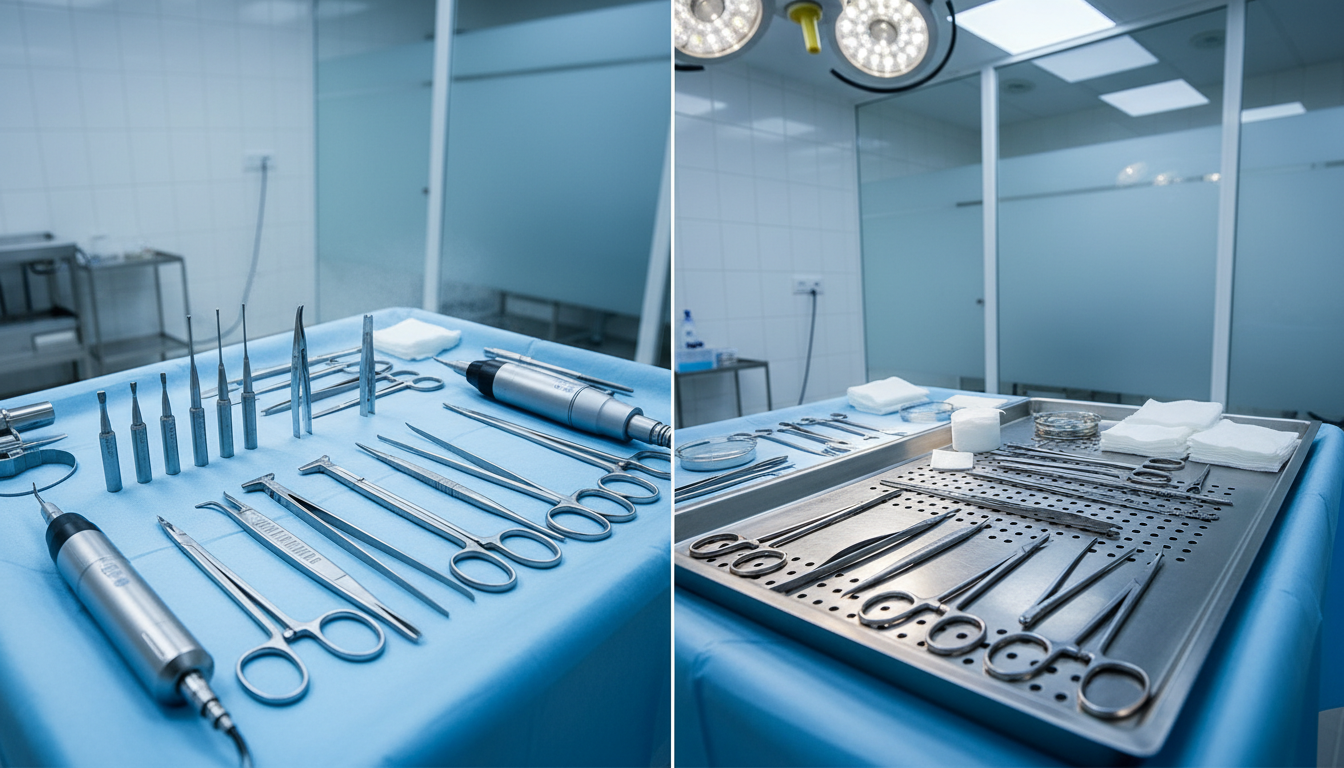
Choosing between FUE and FUT is one of the most consequential decisions a hair transplant patient will make, and unfortunately, it is also one of the most misunderstood. The internet is saturated with oversimplified claims that one method is universally superior to the other, when the reality is far more nuanced. Each technique has genuine advantages, legitimate trade-offs, and specific patient profiles for which it is the better choice. This guide provides an honest, detailed comparison so you can have an informed conversation with your surgeon rather than arriving at a consultation with preconceptions based on incomplete information.
How FUE Works
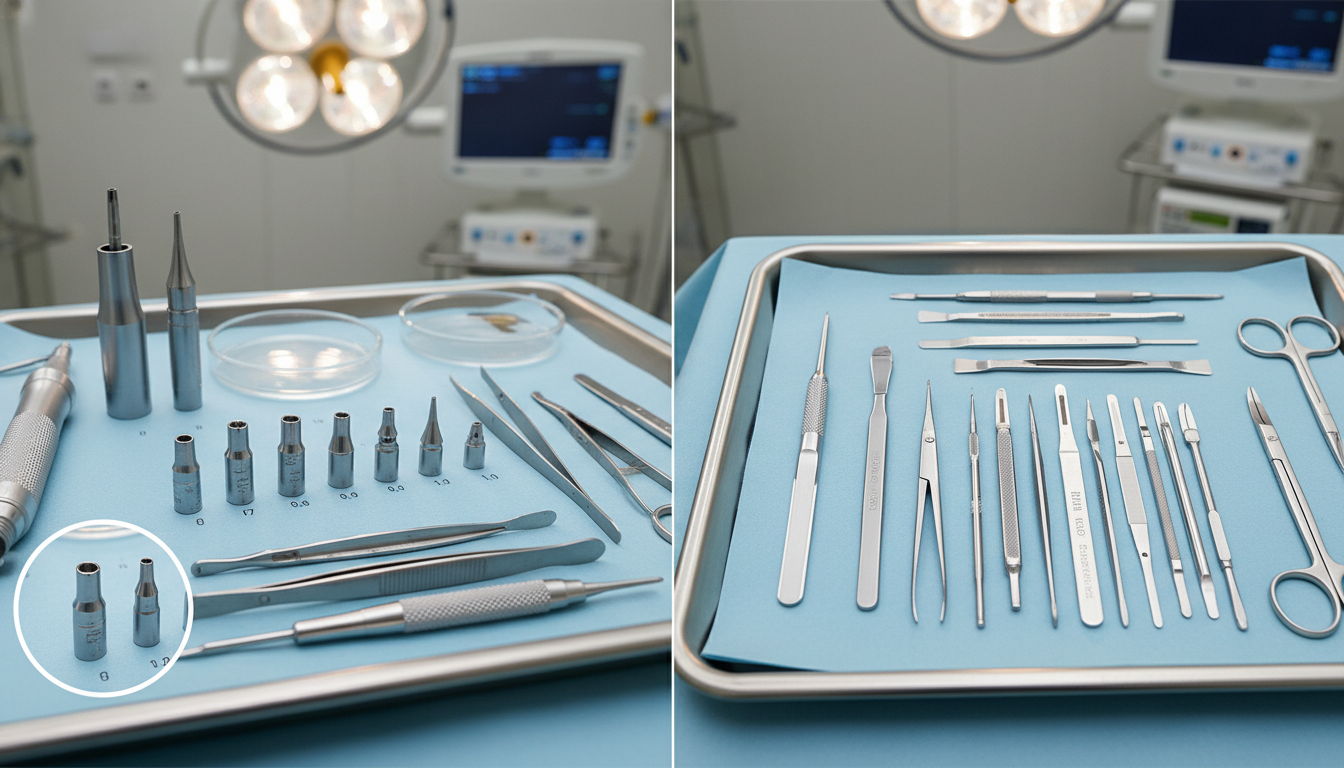
Follicular Unit Extraction (FUE) involves the individual extraction of follicular units from the donor area using a small circular punch instrument. The surgeon uses a punch typically ranging from 0.7 to 1.0 mm in diameter to score around each follicular unit, then extracts it from the surrounding tissue. This process is repeated hundreds or thousands of times during a single session, with the grafts stored in a holding solution until they are implanted into recipient sites at the areas of thinning or baldness.
The extraction pattern in FUE is distributed across a wide area of the donor zone rather than concentrated in a single strip. Each extraction site heals as a tiny circular wound that closes within days and eventually becomes a small dot-like scar, typically 0.5 to 1.0 mm in diameter. When the hair in the donor area grows back, these individual scars are virtually invisible, even with very short hairstyles.
How FUT Works
Follicular Unit Transplantation (FUT), also called the strip method, begins with the surgical removal of a narrow strip of hair-bearing tissue from the donor area, typically from the back of the head between the ears. The length and width of the strip depend on the number of grafts needed and the scalp's laxity. The wound is then closed with sutures or staples, leaving a linear scar that is concealed by the overlying hair.
The excised strip is taken to a dissection team who work under stereo microscopes to carefully separate the tissue into individual follicular units. This process, called stereoscopic dissection, allows the technicians to isolate each naturally occurring group of one to four hairs with minimal damage to the follicles. The resulting grafts are then implanted into recipient sites in the same manner as FUE grafts.
Head-to-Head Comparison
| Factor | FUE | FUT |
|---|---|---|
| Scarring | Tiny dot scars distributed across donor area; virtually invisible even with short hair | Single linear scar; easily hidden at hair length of 1 inch or longer |
| Recovery Time | 5-7 days for donor area healing; most patients return to work within 3-5 days | 10-14 days for suture removal; most patients return to work within 7-10 days |
| Post-Op Discomfort | Minimal; mild tenderness in donor area | Moderate; tightness and tenderness along the incision line for 1-2 weeks |
| Maximum Grafts Per Session | 3,000-4,500 grafts (varies by donor density and surgeon skill) | 3,500-5,000+ grafts (higher ceiling due to strip harvesting efficiency) |
| Graft Survival Rate | 90-95% (when performed by an experienced surgeon) | 95-98% (slightly higher due to less mechanical trauma during extraction) |
| Session Duration | 6-10 hours depending on graft count | 4-8 hours depending on graft count |
| Cost Per Graft | Higher (more labor-intensive extraction process) | Lower (more efficient harvesting) |
| Donor Area Shaving | Typically requires shaving the donor area (exception: No-Shave FUE) | No shaving required; hair above and below the strip conceals the site |
| Repeat Sessions | Multiple sessions possible; donor area recovers between sessions | Multiple sessions possible; limited by scalp laxity for subsequent strips |
Who Is a Better Candidate for FUE?
FUE is generally the preferred choice for patients who meet one or more of the following criteria:
- Patients who wear their hair very short. If you buzz your hair to a grade 1 or 2, or if you shave your head, the distributed dot scars of FUE are far less detectable than a linear FUT scar. This is often the single most important factor in the decision.
- Patients who need a smaller number of grafts. For procedures in the range of 500 to 2,000 grafts, FUE is efficient and well-suited. There is less justification for an incision when the required graft count is modest.
- Patients with tight scalps. Some patients have limited scalp laxity, meaning the skin at the back of the head does not stretch easily. This can make FUT strip closure more challenging and increase the risk of a wider scar. FUE avoids this issue entirely.
- Patients with a history of poor scar healing. Individuals who tend to form wide or keloid scars may be better served by FUE's smaller, distributed wounds.
- Athletes and physically active individuals. The faster recovery and lower risk of wound complications make FUE attractive for patients who need to return to physical activity quickly.
- Patients seeking body hair transplant. When scalp donor supply is limited and body hair (beard, chest) is being used as a supplementary source, FUE is the only viable extraction method.
Who Is a Better Candidate for FUT?
FUT remains the better choice for specific patient profiles:
- Patients who need maximum grafts in a single session. When the goal is to transplant 4,000 or more grafts in one procedure, FUT's strip harvesting is more efficient and can yield a higher number of intact follicular units.
- Patients with advanced hair loss (Norwood V-VII). Extensive baldness requires a high total graft count over one or more sessions. FUT's ability to harvest more grafts per session and its slightly higher graft survival rate can make a meaningful difference in these cases.
- Patients who always wear their hair at medium or longer lengths. If you have no intention of ever wearing a very short buzz cut, the linear scar of FUT is easily concealed and the advantages of FUE's scar pattern become less relevant.
- Budget-conscious patients. Because FUT is less labor-intensive on the extraction side, the cost per graft is typically lower. For patients requiring a high graft count, the cost difference can be substantial.
- Patients who want to preserve the donor area for future FUE sessions. Some long-term planning strategies involve doing an initial FUT session for maximum graft yield, followed by FUE sessions later as needed. This combination approach maximizes the total number of grafts available over a patient's lifetime.
The Role of Donor Area Density
Regardless of which technique is chosen, the donor area is the limiting factor in every hair transplant. The back and sides of the head contain a finite number of follicular units, and once they are harvested, they do not regenerate. Donor area density, measured in follicular units per square centimeter, varies significantly between patients and is one of the most important factors your surgeon will assess during consultation.
A patient with high donor density (80 to 100 or more follicular units per square centimeter) has more raw material to work with and may be able to achieve excellent results with either method. A patient with lower donor density needs careful planning to allocate grafts strategically, and the choice of extraction method becomes more consequential. In some low-density cases, FUT may be preferable because the stereoscopic dissection of the strip can maximize the number of usable grafts from the available tissue.
Combining FUE and FUT
It is worth noting that FUE and FUT are not mutually exclusive. Many experienced surgeons recommend a combined approach for patients who need large numbers of grafts over their lifetime. A common strategy involves performing an initial FUT procedure to address significant baldness, taking advantage of the high graft yield and survival rate. In subsequent sessions, FUE can be used to harvest additional grafts from the areas surrounding the strip scar, effectively using both techniques to maximize total donor utilization.
This combined approach is particularly valuable for younger patients who present with early-stage hair loss but are likely to progress to more advanced stages. The first FUT session can establish strong coverage in the most visible areas, while FUE sessions in later years can address progression and refine the results.
Realistic Expectations for Both Methods
Both FUE and FUT are mature, well-established surgical techniques that produce excellent results when performed by skilled, experienced surgeons. The critical variables are not the technique itself but rather the surgeon's artistry in designing a natural hairline, technical skill in graft placement, and clinical judgment in patient selection and treatment planning.
Transplanted hair begins to grow three to four months after surgery, with the full result becoming visible at 12 to 18 months. The transplanted follicles are permanent and will continue to grow for life because they retain the genetic characteristics of the donor area. However, native non-transplanted hair may continue to thin over time, which is why an ongoing maintenance plan that may include medication or PRP therapy is important for long-term results.
The best hair transplant technique is the one that is right for your specific anatomy, hair loss pattern, lifestyle, and long-term goals. A skilled surgeon will recommend the approach that optimizes your outcome rather than defaulting to one method for every patient.
Estimating Your Cost
Hair transplant costs vary based on the number of grafts needed, the technique used, the surgeon's experience, and the geographic region. To get a personalized estimate for your situation, we encourage you to use our free cost calculator tool, which provides a ballpark range based on your specific graft requirements and chosen technique. A formal quote will be provided during your in-person consultation after a thorough evaluation of your scalp and donor area.
Making Your Decision
The choice between FUE and FUT should be made collaboratively between you and your surgeon after a thorough consultation. Bring your questions, share your hairstyle preferences, discuss your budget, and be honest about your long-term expectations. At Bellevue Hair Doctor, we perform both FUE and FUT at the highest level and will recommend the approach that serves your individual situation best, not the one that is easiest or most profitable for us. Your consultation is free and carries no obligation.
Related Articles
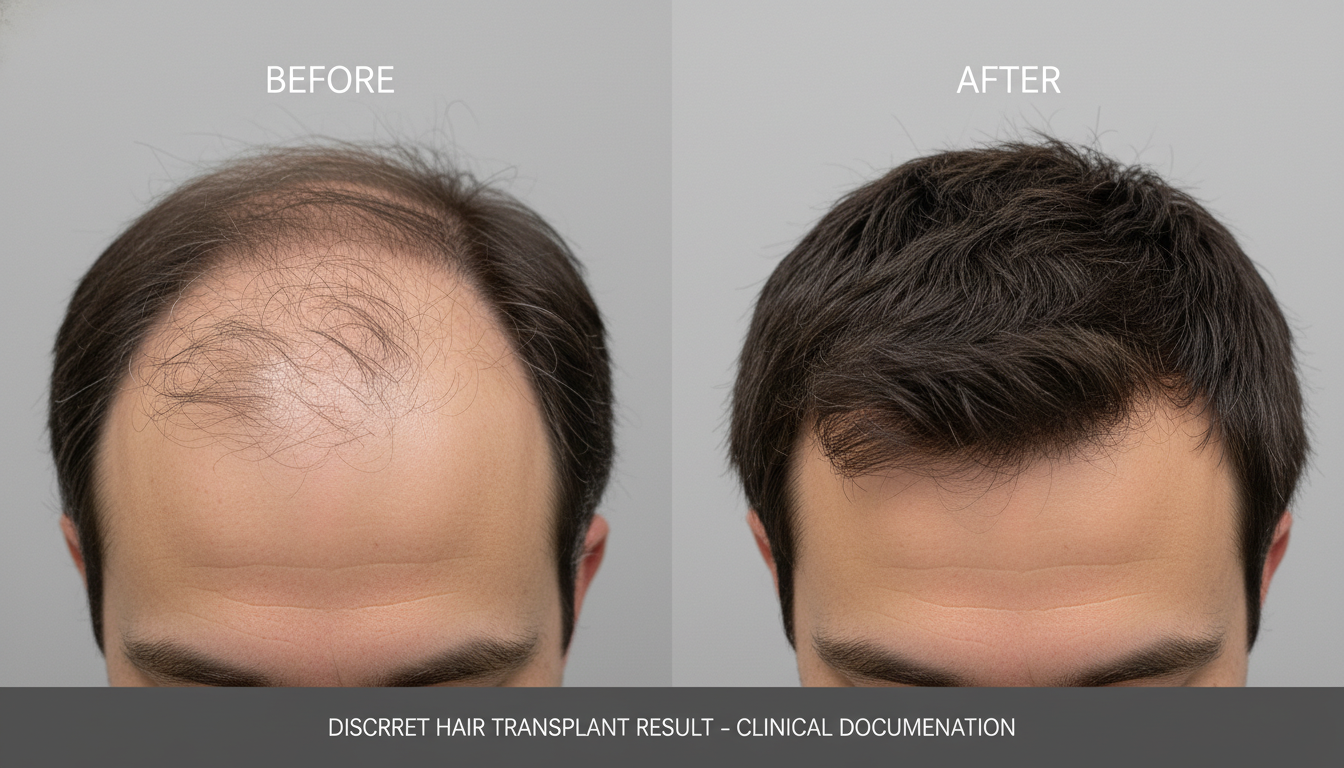
No-Shave FUE: Benefits of Discreet Hair Transplant Surgery
Why no-shave FUE is the preferred choice for patients who need a discreet procedure, and how it differs from traditional FUE.
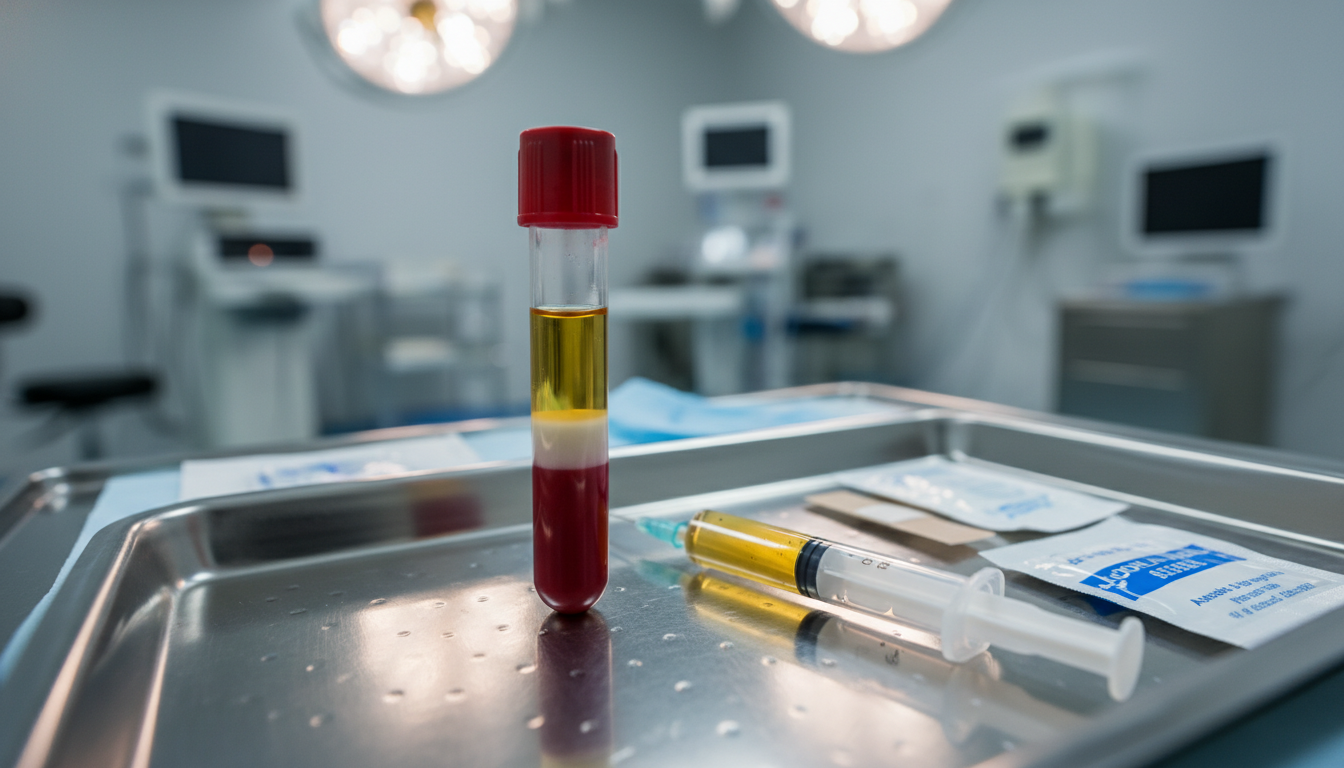
PRP Therapy for Hair Restoration: What to Expect
How platelet-rich plasma therapy works, what a session involves, expected results, and how PRP complements hair transplant surgery.

Hair Transplant Recovery Timeline: What to Expect
A week-by-week guide to hair transplant recovery, from the first 48 hours through the full 12-month growth cycle.
Schedule Your Free Consultation
Have questions about hair loss or treatment options? Our board-certified specialists are here to help.