Post-Op Care: The Critical First 48 Hours After Hair Transplant
Everything you need to do in the first two days after surgery to protect your grafts and set the stage for optimal healing.

The first 48 hours after a hair transplant are the most critical window in your entire recovery journey. During this period, the newly placed grafts are at their most vulnerable. They have been carefully extracted, prepared, and implanted into tiny recipient sites, but they have not yet established a blood supply connection with the surrounding tissue. Every action you take, or avoid taking, during these two days directly impacts how many grafts survive and ultimately grow.
At Bellevue Hair Doctor, we send every patient home with a comprehensive post-op care kit and a detailed instruction sheet. This guide expands on those instructions, giving you a thorough hour-by-hour understanding of what to expect and exactly what to do. Whether you underwent an FUE hair transplant or another procedure, these guidelines apply universally to the immediate recovery period.
Leaving the Clinic: The First Two Hours
When your procedure is complete, our team will bandage the donor area and provide you with a protective spray for the recipient zone. The recipient area is typically left open, without bandaging, to avoid any contact that could dislodge the freshly placed grafts. You will notice that the transplanted zone looks red and is covered with tiny crusts at each graft site.
Before you leave the clinic, we will review your medications, demonstrate how to spray the saline solution, and answer any questions. You will receive a post-op care bag containing:
- Prescribed antibiotics to prevent infection
- Anti-inflammatory medication to manage swelling
- Pain medication for use as needed
- A saline spray bottle for keeping the grafts moist
- A travel pillow or neck pillow for sleeping
- Gauze pads for the donor area
- Written care instructions with our 24-hour emergency line
You must arrange for someone else to drive you home. The combination of local anesthesia, mild sedation, and the emotional energy of a multi-hour procedure means you should not be behind the wheel. The drive home should be as smooth as possible. If you hit the headrest with the back of your scalp, lean forward slightly or use the travel pillow to create a buffer. Avoid sudden movements, and ask your driver to take turns and stops gently.
Hours 2 Through 6: Getting Settled at Home
Once you arrive home, your primary objectives are simple: rest, hydrate, and do not touch the grafts. Set yourself up in a comfortable recliner or on a bed with several pillows arranged so that your head is elevated at approximately 45 degrees. This elevated position is essential for reducing swelling and keeping blood flow balanced.
Medication Schedule
Take your first round of medications as prescribed. We typically instruct patients to begin their antibiotic course and anti-inflammatory medications within two hours of leaving the clinic. The pain medication should be taken preemptively before the local anesthesia wears off completely. Staying ahead of the pain is much easier than trying to catch up to it once it has set in.
A typical medication schedule for the first 48 hours looks like this:
| Medication | Purpose | Frequency | Duration |
|---|---|---|---|
| Antibiotic (e.g., Cephalexin) | Prevent infection | Every 8 hours | 5-7 days |
| Anti-inflammatory (e.g., Methylprednisolone) | Reduce swelling | As directed on dose pack | 4-6 days |
| Pain reliever | Manage discomfort | Every 4-6 hours as needed | 2-3 days |
| Saline spray | Keep grafts moist | Every 30-60 minutes while awake | First 3 days |
Keeping the Grafts Moist
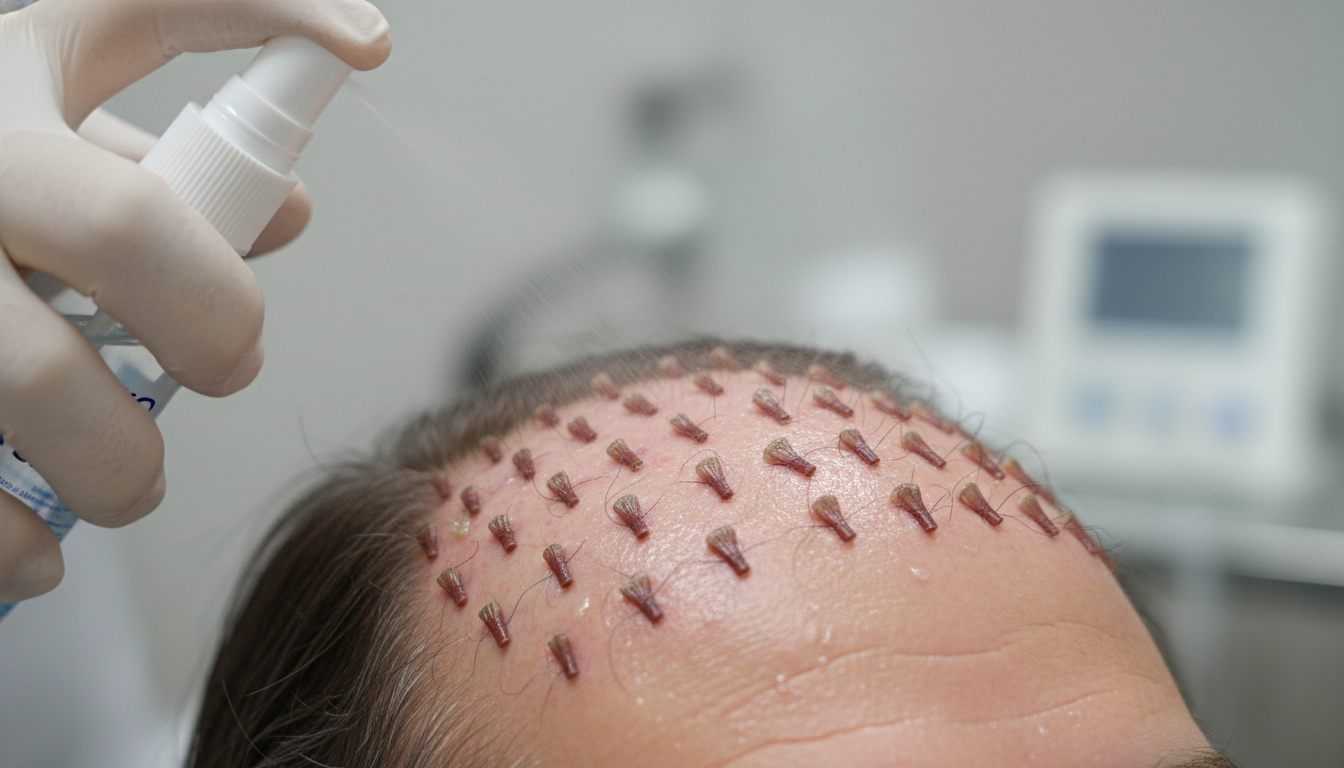
The saline spray is arguably the most important item in your care kit during the first 48 hours. The transplanted grafts must stay moist to survive. Dry grafts can desiccate and die. Set a timer on your phone to remind you to spray the recipient area with a fine mist of saline every 30 to 60 minutes while you are awake.
Hold the spray bottle six to eight inches from the scalp and apply a gentle, even mist. Do not saturate the area or let water pool on the scalp. The goal is to keep the surface lightly damp, not soaked. Avoid using anything other than the provided saline solution, as tap water, bottled water, and other liquids may contain contaminants or have the wrong pH balance.
The First Night: Hours 6 Through 12
The first night after surgery is often the most uncomfortable part of the entire recovery. The anesthesia has fully worn off, swelling may be starting, and finding a comfortable sleeping position takes some adjustment. However, with proper preparation, most patients manage well.
Sleeping Position
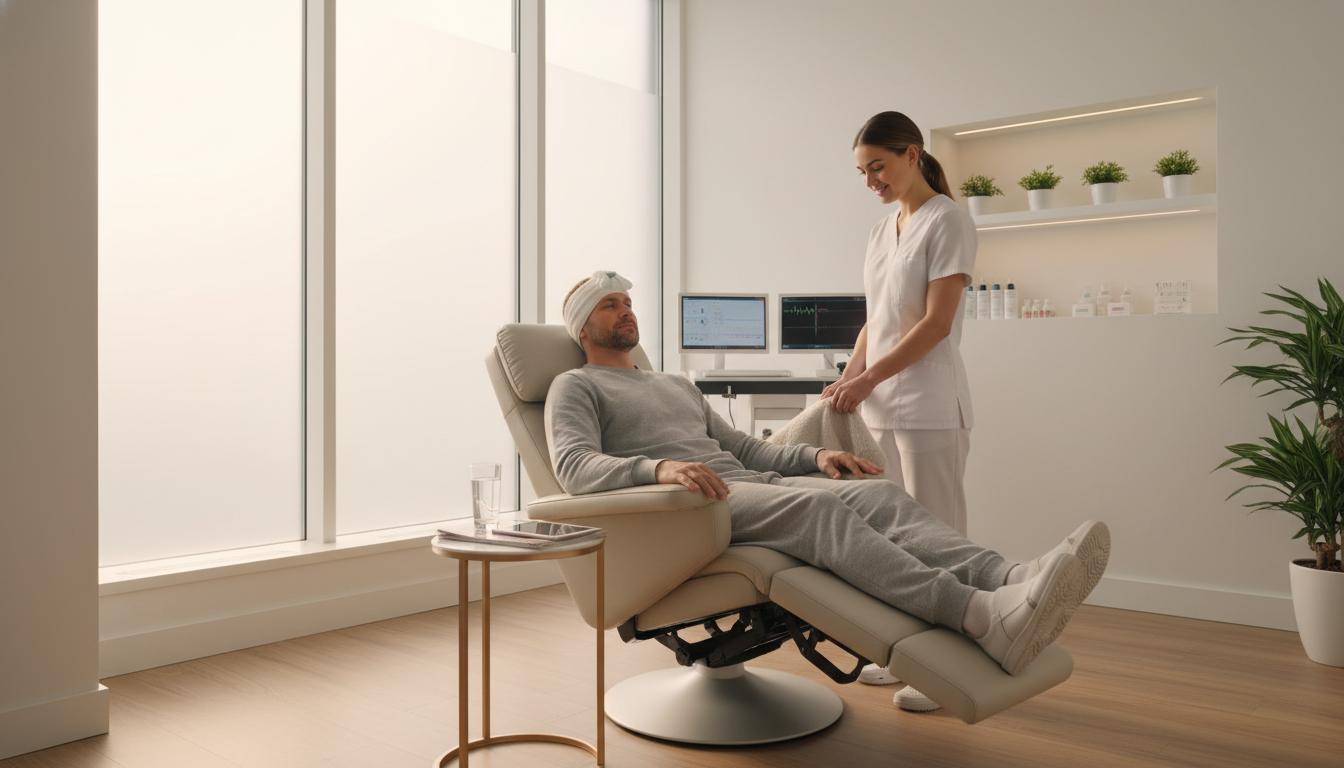
You must sleep with your head elevated to at least 45 degrees for the first three nights. A recliner chair is the ideal sleeping surface because it keeps you securely positioned and makes it difficult to roll onto your side inadvertently. If you sleep in bed, stack three to four pillows and consider placing pillows on either side of your head to prevent rolling. For a detailed guide to sleeping positions and pillow setups, see our article on how to sleep after a hair transplant.
You may notice some oozing of clear or slightly pink fluid overnight. This is normal lymphatic drainage and does not indicate a problem. Place a clean towel or absorbent pad on your pillow to protect it. Do not use a dark or rough-textured pillowcase that could catch on the grafts. A clean, smooth cotton or satin pillowcase is best.
Managing Overnight Discomfort
Take your pain medication approximately 30 minutes before you plan to fall asleep. Keep a glass of water and your medications on the nightstand so you can take another dose in the middle of the night if needed without getting up and moving around unnecessarily. Some patients find that an extra-strength acetaminophen is sufficient, while others may need the prescribed pain medication for the first two nights.
Day 2: Hours 12 Through 36
When you wake on the morning after your procedure, you may notice that your forehead and brow area have started to swell. This swelling is caused by the tumescent fluid used during surgery. It collects in the tissues of the forehead and gradually moves downward over the next two to three days due to gravity. In some patients, the swelling extends to the upper eyelids and even the bridge of the nose.
Swelling Prevention and Management
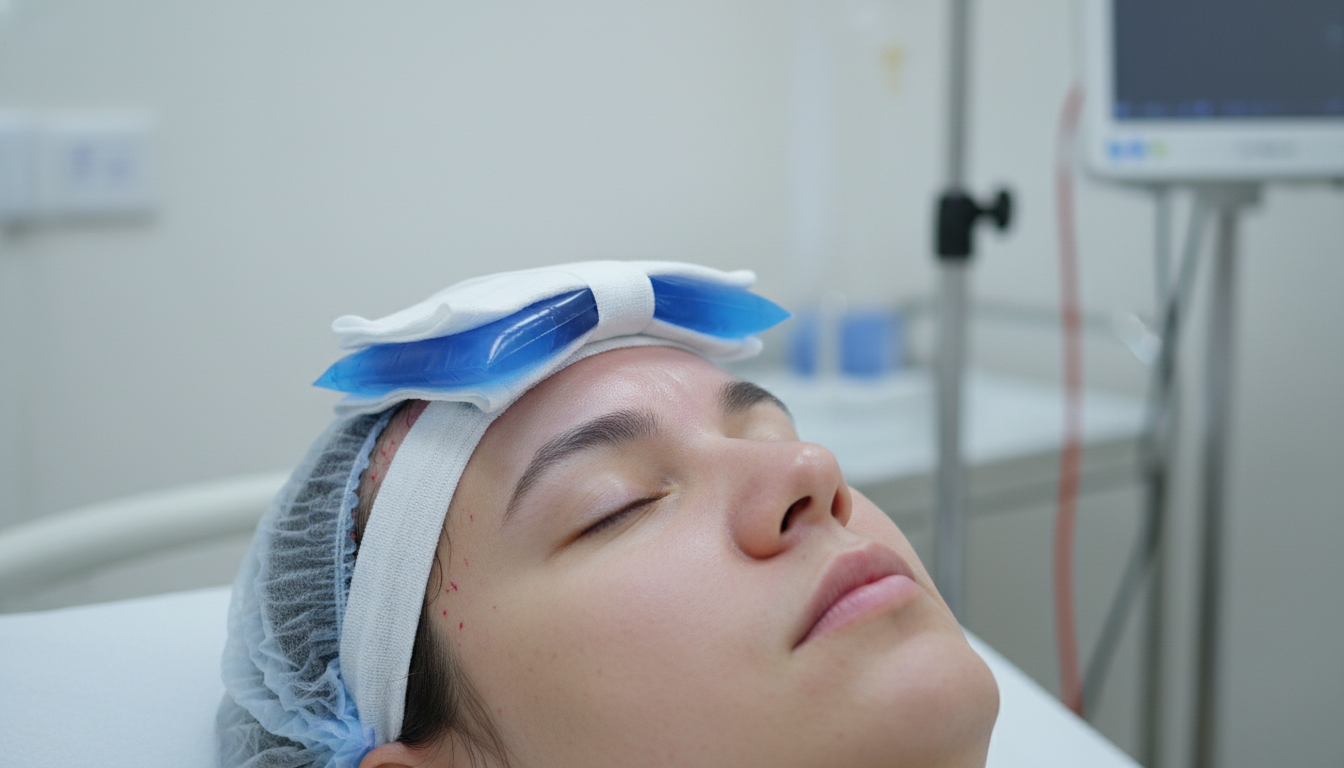
The anti-inflammatory medication prescribed after your procedure is the primary tool for controlling swelling. Take it exactly as directed. In addition, you can apply ice packs or cold compresses to the forehead and brow area in 20-minute intervals: 20 minutes on, 20 minutes off. The critical rule is that ice should never be placed directly on the recipient area where the grafts are located. Only apply cold to the forehead, temples, and around the eyes.
Continue sleeping elevated. The more upright you remain during the first 48 hours, the less swelling you will experience. Patients who sleep flat or slouch down typically have noticeably more forehead swelling than those who maintain the 45-degree elevation.
Eating and Hydration
Proper nutrition during the first 48 hours supports the healing process at a cellular level. Eat regular meals even if your appetite is reduced. Focus on foods that are easy to digest and rich in protein, which provides the amino acids your body needs to repair tissue. Good choices include:
- Scrambled eggs, yogurt, or protein shakes
- Lean chicken, fish, or turkey
- Fresh fruits and vegetables, especially those high in vitamin C (berries, citrus, bell peppers)
- Whole grains and complex carbohydrates for sustained energy
- Bone broth, which provides both protein and hydration
Drink at least eight to ten glasses of water throughout the day. Proper hydration helps flush out the residual anesthetic agents and supports healthy blood circulation to the scalp. Avoid alcohol for the first 72 hours at minimum, as it thins the blood and can increase swelling and the risk of bleeding. Caffeine should also be limited, as it can elevate blood pressure.
The Absolute Do-Not List for 48 Hours
Understanding what to avoid is just as important as knowing what to do. During the first 48 hours, the following activities are strictly off limits:
- Do not touch, scratch, or rub the recipient area. Your hands carry bacteria, and even gentle pressure can dislodge a graft that has not yet stabilized. If you feel itching, spray the area with saline instead of scratching.
- Do not bend over or lower your head below your heart. This increases blood pressure in the scalp and can cause bleeding at the graft sites. If you need to pick something up, bend at the knees while keeping your head upright.
- Do not engage in any physical exertion. No exercise, lifting, yard work, or household chores that raise your heart rate. Even light activity can elevate blood pressure enough to compromise graft healing.
- Do not wash your hair. Hair washing begins on day three to five as instructed by your surgeon. During the first 48 hours, the grafts need to remain undisturbed. The saline spray is the only thing that should be applied.
- Do not wear a hat, helmet, or anything that presses against the recipient area. Even a loose beanie can catch on scabs and pull grafts out of position.
- Do not smoke or use nicotine products. Nicotine severely constricts blood vessels, reducing the blood supply to the newly transplanted grafts. This can directly reduce graft survival rates. We advise patients to stop smoking at least two weeks before surgery and to abstain for at least two weeks after.
- Do not consume alcohol. Alcohol is a blood thinner and can increase bleeding and swelling.
- Do not take aspirin, ibuprofen (Advil/Motrin), or other blood-thinning medications unless specifically approved by your surgeon. These can increase the risk of post-operative bleeding. Use only the medications prescribed in your care kit.
- Do not expose the scalp to direct sunlight. UV radiation can damage the healing tissue and worsen inflammation.
- Do not blow-dry your hair or apply any hair products to the transplant zone.
When to Call Your Doctor
While most post-operative symptoms are normal and expected, certain warning signs require immediate medical attention. Contact our clinic right away if you experience any of the following during the first 48 hours:
- Heavy bleeding that soaks through gauze and does not stop with gentle pressure after 15 minutes
- Fever above 101 degrees Fahrenheit that persists for more than a few hours
- Severe pain that is not controlled by prescribed pain medication
- Signs of allergic reaction to medication, such as difficulty breathing, hives, or severe nausea
- Pus or foul-smelling discharge from the donor or recipient area, which may indicate infection
- Sudden severe swelling that distorts your vision or causes breathing difficulty
At Bellevue Hair Doctor, every patient receives our 24-hour post-operative phone line. Do not hesitate to call, even if your concern seems minor. It is always better to check than to worry.
Hours 36 Through 48: Transitioning to Day 3
By the end of day two, you are through the most critical period. The grafts have begun the process of neovascularization, meaning tiny new blood vessels are starting to connect the transplanted follicles to your body's blood supply. This biological anchoring process continues over the next several days, and by the end of week one, the grafts are significantly more stable.
As you approach the 48-hour mark, you may notice the following positive developments:
- Pain levels typically decrease significantly, and many patients transition from prescribed pain medication to over-the-counter acetaminophen.
- The initial oozing and fluid drainage from the graft sites has largely stopped.
- While swelling may peak around day two or three, you can see that the inflammation is following a predictable pattern and is not getting worse.
- You are starting to establish a comfortable routine with your medication schedule and sleeping position.
Preparing for the Next Phase
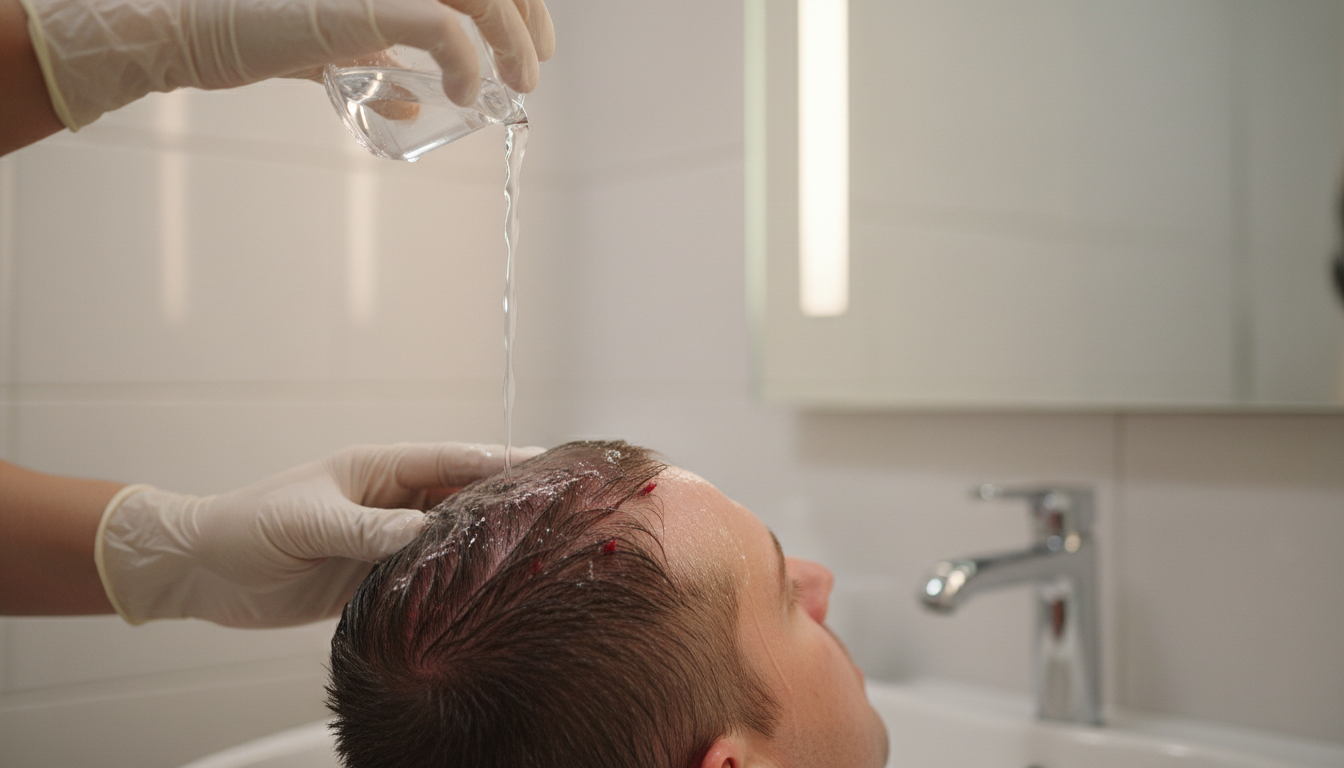
Once you pass the 48-hour mark, the focus of your recovery shifts from pure graft protection to active healing. Your surgeon will provide instructions for when to begin gentle hair washing, typically on day three to five. This washing process is crucial for removing the dried crusts and scabs that form at each graft site, as leaving them in place too long can increase the risk of infection and delay healing.
For a complete overview of what comes next in your recovery journey, including the shedding phase, early growth, and final results, read our comprehensive hair transplant recovery timeline.
Optimizing Your Results Beyond 48 Hours
The care you provide during the first 48 hours sets the foundation, but the months that follow also matter. Many of our patients complement their surgical results with PRP therapy, which involves injecting concentrated platelet-rich plasma into the scalp to stimulate healing and hair growth. PRP can be performed starting a few weeks after surgery and has been shown to enhance graft survival and improve the overall density of results.
Maintaining a healthy lifestyle, following your prescribed medication regimen, attending all follow-up appointments, and being patient with the growth timeline are all equally important. The decisions you make during the first 48 hours are foundational, but recovery is a continuous process that rewards diligence at every stage.
"The first 48 hours are where discipline matters most. Patients who follow their post-op instructions to the letter consistently see the best outcomes. Your surgeon did their part on the operating table. Now it is your turn to protect that investment."
A Final Word of Reassurance
It is completely normal to feel anxious during the first two days after surgery. You have made a significant investment in your appearance and confidence, and wanting everything to go perfectly is natural. Take comfort in knowing that when performed by an experienced surgical team and supported by diligent post-operative care, modern hair transplant procedures achieve graft survival rates of 90 to 95 percent or higher.
Focus on the basics: keep the grafts moist, keep your head elevated, take your medications on schedule, rest as much as possible, and do not touch the transplant zone. Do these things consistently for 48 hours, and you will have given your grafts the best possible start on their journey to becoming permanent, natural-looking hair.
Related Articles
Hair Transplant Recovery Timeline: What to Expect Week by Week
A detailed week-by-week breakdown of the hair transplant healing process, from day one through full results at 12-18 months.

How to Sleep After a Hair Transplant: Positions, Pillows & Tips
The correct sleeping positions, pillow setups, and nighttime routines to protect your grafts during the critical first two weeks.
How to Wash Your Hair After a Hair Transplant
Step-by-step guide to safely washing your hair after surgery, including when to start, what products to use, and techniques to protect your grafts.
Schedule Your Free Consultation
Have questions about your recovery or considering a hair transplant? Our board-certified specialists are here to help.