How to Wash Your Hair After a Hair Transplant
The exact washing technique, timing, and products to use for safe post-transplant hair care without damaging new grafts.
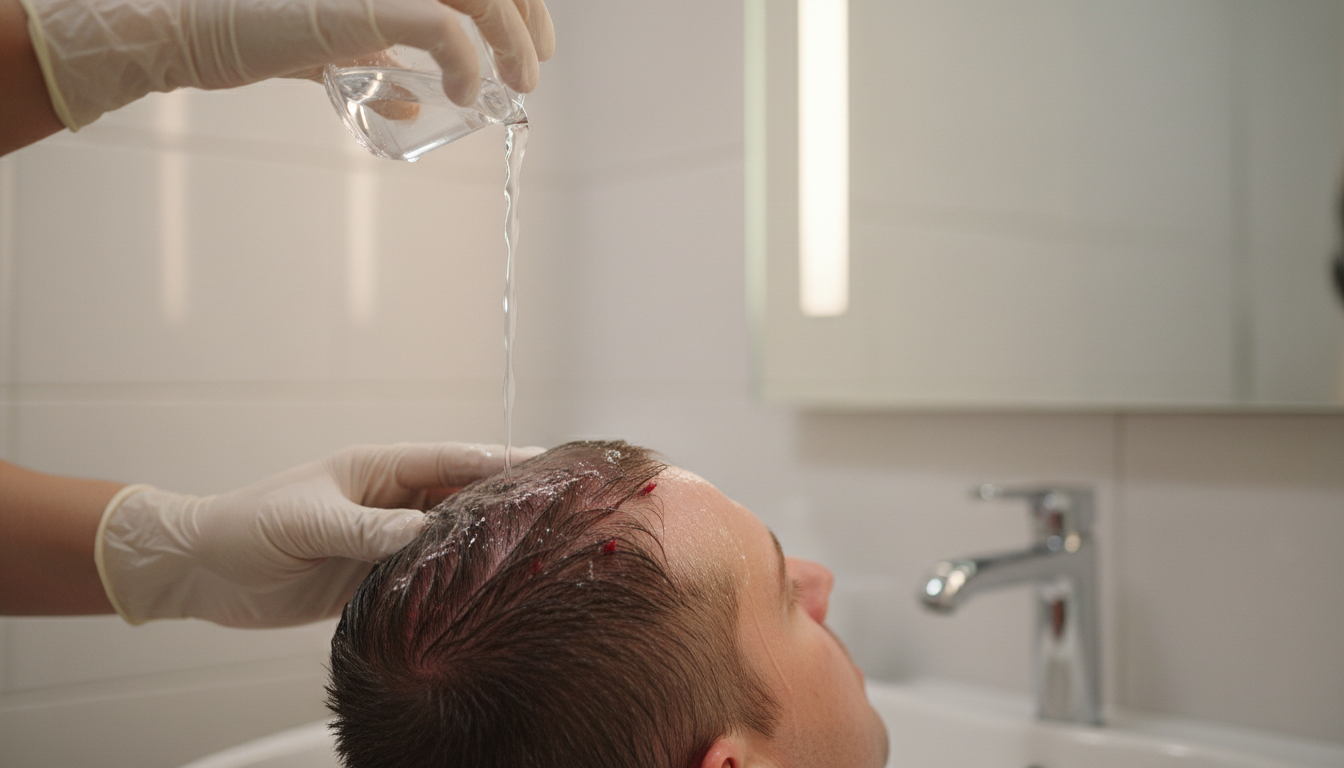
Properly washing your hair after a hair transplant is one of the most important aspects of post-operative care, yet it is also one of the steps that causes the most anxiety for patients. After investing in a procedure like FUE hair transplant, the last thing you want to do is accidentally damage your new grafts during a routine wash. The good news is that with the right technique, timing, and products, washing your hair after surgery is straightforward and actually plays a vital role in promoting healthy healing.
At Bellevue Hair Doctor, we provide every patient with detailed washing instructions tailored to their specific procedure. This guide covers the general principles and step-by-step techniques that apply to most hair transplant patients, giving you the confidence to care for your scalp properly during those critical first weeks of recovery.
When Should You Start Washing After a Hair Transplant?
Most hair transplant surgeons recommend that patients begin their first gentle wash between day three and day four after the procedure. During the first forty-eight to seventy-two hours, the transplanted grafts are settling into their new recipient sites and forming the initial clots that anchor them in place. Washing too early risks disturbing this process before the grafts have achieved enough stability to withstand even gentle water contact.
That said, waiting too long to begin washing carries its own risks. Dried blood, crusting, and scabs accumulate on the scalp in the days following surgery. If these are allowed to build up excessively, they can trap bacteria against the skin, potentially leading to infection. They can also physically bind to the grafts, and removing hardened scabs later becomes more difficult and more likely to pull grafts out with them.
The ideal window of day three to day four balances graft stability with the need to begin cleaning the surgical area. Your surgeon will give you a specific start date based on your individual healing progress. Some patients who had a No-Shave FUE procedure may receive slightly different timing instructions due to the longer surrounding hair that can complicate early washing.
Step-by-Step Washing Technique for the First Two Weeks
The washing method you use during the first fourteen days is markedly different from your normal hair washing routine. Every step is designed to clean the scalp while minimizing mechanical force on the grafts. Here is the technique we recommend to our patients:
Step 1: Prepare Your Materials
Before you begin, gather everything you need so you do not have to reach, stretch, or rush during the wash. You will need a clean cup or spray bottle, lukewarm water (never hot), a gentle baby shampoo or the medicated shampoo provided by your clinic, a soft towel, and a clean basin or access to a sink where you can control the water flow.
Step 2: Soften the Crusts
Starting around day five or six, you may need to soften dried scabs before washing. Apply a thin layer of the ointment or lotion recommended by your surgeon (many clinics suggest a fragrance-free moisturizer or specialized post-transplant spray) to the recipient area. Let it sit for fifteen to thirty minutes. This softens the crusts so they can be removed gently during the wash rather than requiring picking or scrubbing.
Step 3: Wet the Scalp Gently
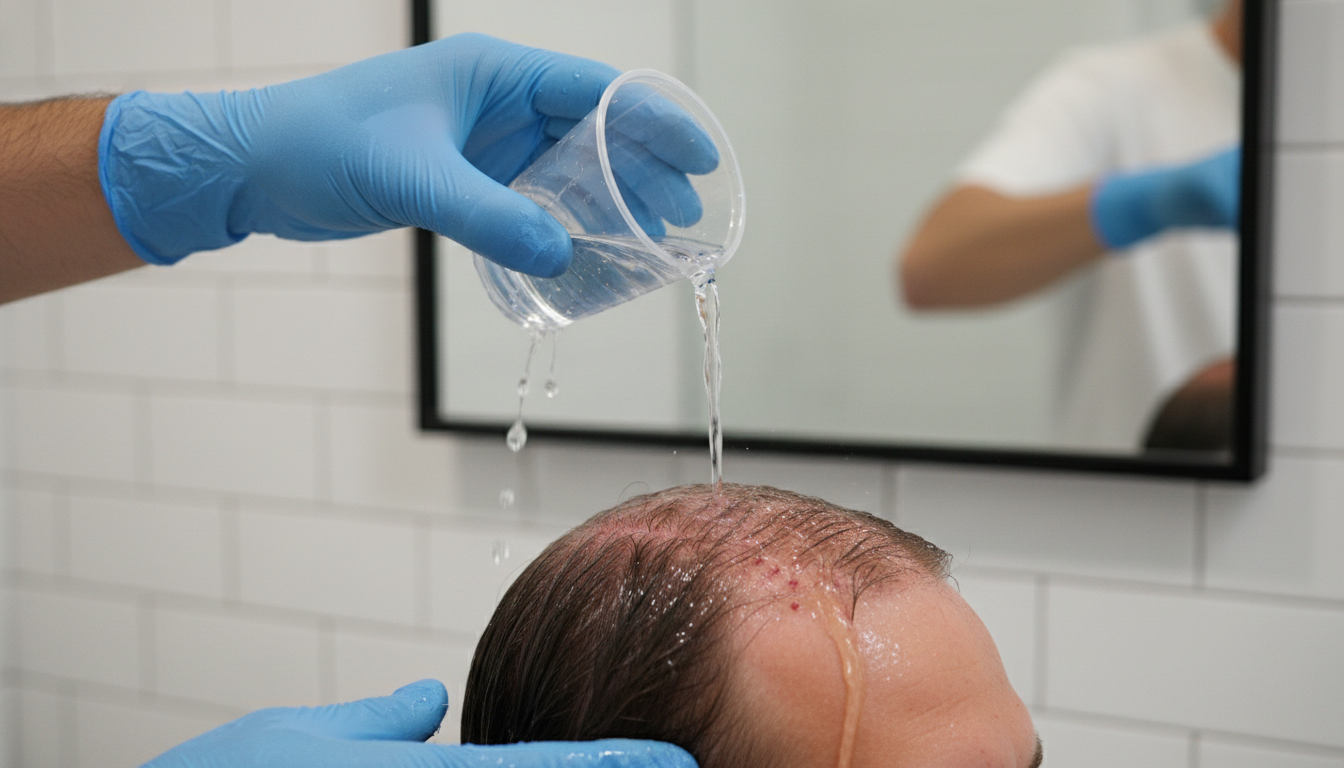
Use a cup to pour lukewarm water over your scalp, or use a spray bottle to mist the area. Do not stand directly under a showerhead during the first week, as the water pressure from most showers is too forceful for freshly transplanted grafts. If you must shower, keep the water pressure at its lowest setting and let the water flow down your scalp from the back rather than hitting the recipient area directly.
Step 4: Apply Shampoo With Your Fingertips
Place a small amount of gentle shampoo in your palm and dilute it with water to create a thin lather. Using only your fingertips (never your nails), apply the lather to the recipient area using a soft patting or dabbing motion. Do not rub, scrub, or create circular motions over the transplanted zone. Think of it as gently pressing the lather onto the scalp rather than working it in. For the donor area, you can use a slightly firmer touch, but still avoid aggressive rubbing.
Step 5: Rinse Carefully
Rinse the shampoo away using the same cup-pouring or spray bottle method. Let the water flow over the scalp and carry the shampoo away by gravity. Do not direct a stream of water at the grafts. Repeat the rinse until all shampoo residue is gone, as leftover product can cause irritation and itching.
Step 6: Dry With a Patting Motion
Use a clean, soft towel (microfiber towels work well) and gently pat the scalp dry. Never rub the towel back and forth across the recipient area. Some patients prefer to let their scalp air dry, which is perfectly fine and actually the safest option during the first week. If air drying, avoid using a blow dryer on any heat setting, as the forced air and heat can damage delicate new grafts.
Water Temperature and Pressure Guidelines
Water temperature is more important than many patients realize. Hot water increases blood flow to the scalp, which can promote bleeding, increase swelling, and create an environment where grafts are more vulnerable. Cold water causes blood vessels to constrict, which is not ideal for healing either. Lukewarm water, around body temperature, is the safest choice for the first two weeks.
Regarding water pressure, the key principle is that no direct stream should hit the transplanted area during the first seven days. After the first week, you can begin using a gentle shower stream aimed at the back of your head, letting the water cascade forward over the grafts. By week two, most patients can return to standing under a normal shower, though keeping the pressure moderate is still advisable until all scabs have resolved.
| Timeline | Water Temperature | Water Pressure | Method |
|---|---|---|---|
| Days 1-2 | No washing | N/A | Keep scalp dry |
| Days 3-7 | Lukewarm | No direct stream | Cup pouring or spray bottle |
| Days 8-14 | Lukewarm to warm | Gentle shower stream | Indirect flow over grafts |
| Weeks 3-4 | Normal preference | Moderate shower | Gentle fingertip washing |
| Month 2+ | Normal preference | Normal | Normal routine |
Recommended Shampoos and Products
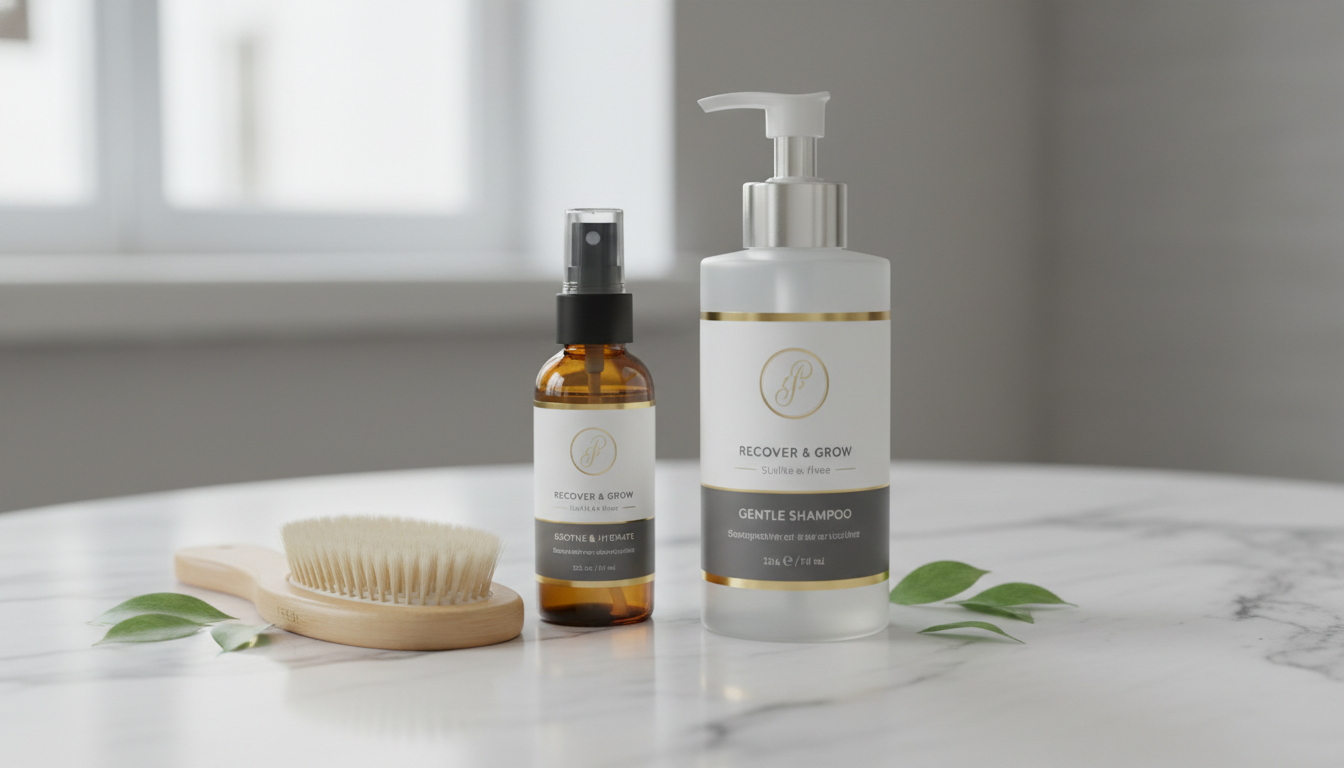
During the first two weeks, simplicity is key. You want a shampoo that cleanses without irritating sensitive, healing skin. The best options include:
- Baby shampoo: Fragrance-free, tear-free baby shampoos are gentle enough for post-transplant use. They cleanse effectively without harsh detergents or fragrances that can irritate the scalp.
- Clinic-provided medicated shampoo: Many hair transplant clinics, including ours, provide or recommend a specific post-operative shampoo formulated for healing scalps. These typically contain soothing ingredients and mild antiseptic properties.
- Sulfate-free gentle shampoos: If you prefer a retail option, look for shampoos labeled sulfate-free, fragrance-free, and designed for sensitive skin.
Products to Avoid
- Shampoos containing sulfates (sodium lauryl sulfate or sodium laureth sulfate), which strip oils aggressively and can irritate healing tissue
- Anti-dandruff shampoos containing ketoconazole, selenium sulfide, or coal tar during the first two weeks (your surgeon may recommend these later)
- Any product with strong fragrances, dyes, or alcohol
- Conditioners applied directly to the recipient area during the first week (conditioner on the lengths and donor area is typically fine after day seven)
- Hair styling products of any kind (gel, mousse, spray, wax) until all scabs have resolved and your surgeon clears you
The Scab Removal Process
Scabs form naturally over each recipient site as part of the body's healing response. These small crusts typically begin to loosen and fall off between days seven and fourteen. The goal is to help this process along gently without pulling or picking at scabs that are not ready to release.
Starting around day seven, you can begin using a slightly more active technique during washing to encourage scab removal. After softening the scabs with moisturizer for fifteen to thirty minutes, use your fingertips in a gentle circular motion over the recipient area during shampooing. The softened scabs will begin to detach and wash away with the lather. Do not force any scab that does not release easily. It will come off in a subsequent wash once it has loosened further.
"Never pick at scabs with your fingernails, tweezers, or any instrument. Each scab sits directly over a healing graft, and pulling a scab prematurely can extract the graft along with it. Patience during this phase directly protects your results."
Most patients find that by day ten to fourteen, the majority of scabs have resolved. A few stubborn crusts may persist slightly longer, particularly in areas with denser graft placement. Continue the softening and gentle washing routine until all scabs are gone.
Donor Area Care During Washing
While much of the focus during post-transplant washing centers on the recipient area, the donor area also requires proper care. In an FUE procedure, the donor area consists of hundreds or thousands of tiny extraction points across the back and sides of the scalp. These heal relatively quickly, but they still need to be kept clean.
You can be somewhat firmer when washing the donor area compared to the recipient zone. Starting from day three or four, use your fingertips to gently wash the donor area with the same mild shampoo. The extraction sites are smaller and closer together than recipient sites, and they typically scab over and heal within seven to ten days. By the end of week two, the donor area usually looks and feels close to normal, though some patients notice mild redness or pinkness that fades over the following weeks.
If you notice any signs of infection in the donor area, such as increasing redness, warmth, swelling, pus, or an unusual odor, contact your clinic promptly. These signs are uncommon but should be addressed quickly.
When Can You Resume Normal Hair Washing?
Most patients can return to a relatively normal hair washing routine by the end of the third or fourth week. At this point, all scabs should have resolved, the grafts are well-established in their recipient sites, and the scalp has healed enough to tolerate normal water pressure and gentle rubbing motions.
However, "normal" does not mean exactly the same as before. We recommend a few long-term adjustments:
- Continue using gentle shampoos for at least the first three months. You can introduce your preferred products gradually after that.
- Avoid aggressive towel drying over the transplanted area for the first two months. Patting dry is healthier for the new hair follicles.
- Use a blow dryer on a cool or low-heat setting starting at week three or four if needed, holding it at least twelve inches from your scalp.
- Resume regular conditioner use on all areas of your scalp after week two, which helps keep the scalp moisturized and reduces itching.
Common Mistakes to Avoid
Over our years of practice, we have seen certain mistakes come up repeatedly that can compromise transplant results during the washing phase:
- Rubbing the recipient area: Even patients who know better can slip into autopilot during a shower. Make a conscious effort to use only the patting technique on the transplanted zone for the full two-week period.
- Using hot water: Hot showers feel comforting, but elevated water temperature increases blood flow and swelling. Keep the temperature lukewarm for the first two weeks.
- Picking at scabs: This is perhaps the most common mistake. Scabs are unsightly and itchy, which makes them tempting to pick. Resist the urge completely.
- Skipping washes: Some patients, afraid of damaging grafts, avoid washing altogether for extended periods. This leads to excessive buildup that is harder to remove safely and increases infection risk.
- Returning to normal washing too quickly: Using a strong shower stream or scrubbing vigorously during the first week can dislodge grafts that are not yet fully secure.
- Using hair products too soon: Gel, mousse, and styling products can clog the tiny healing openings around each graft, potentially causing folliculitis or infection.
What to Expect During the Washing Process
It is normal to notice some shedding of transplanted hairs during the washing process, particularly between weeks two and six. This is known as shock loss and is a completely expected phase of the hair growth cycle. The transplanted follicles shed their initial shafts before entering a dormant phase. New growth typically begins between months three and four, with full results visible by twelve months. Seeing hairs in your hands during a wash does not mean grafts are failing; it means the hair cycle is progressing normally.
You may also notice some redness, mild tenderness, or itching during the first couple of weeks. These are all normal parts of healing. Itching in particular tends to increase around days five through ten as the skin heals and scabs begin to separate. Your clinic may recommend an antihistamine or a gentle moisturizing spray to help manage itching.
For more details about managing these and other post-operative sensations, see our guides on exercising after hair transplant and managing swelling and discomfort.
Frequently Asked Questions
Can I wash my hair in the sink instead of the shower?
Yes, many patients find it easier to wash over a sink during the first week because it gives them more control over water pressure and direction. Lean forward carefully over the sink and use a cup to pour water gently over your scalp. Just be sure not to bend forward too aggressively, as this can increase blood pressure in your head.
What if a scab comes off and I see a tiny hair attached to it?
This happens frequently and is almost always harmless. The hair shaft may detach, but the follicle remains anchored in the recipient site beneath the skin surface. The follicle will produce a new hair shaft in the coming months as it enters its growth phase.
How often should I wash my hair during the first two weeks?
We recommend washing once daily starting from day three or four. Daily washing keeps the scalp clean, prevents excessive buildup of dried blood and crusts, and supports healthy scab resolution. Some patients are instructed to wash twice daily if they tend to produce more oil or if environmental conditions warrant it.
Can I use a shower filter during recovery?
A shower filter that removes chlorine and heavy minerals is a reasonable investment, particularly if you have hard water. While not strictly necessary, softer water may be gentler on your healing scalp and can reduce irritation from mineral deposits.
Your Post-Transplant Washing Schedule at a Glance
Following a consistent washing schedule removes the guesswork from your recovery routine. Begin on the day your surgeon specifies, wash once daily using the gentle technique described above, and gradually transition back to your normal routine by week three or four. If at any point you have concerns about what you are seeing during washes, such as unusual discharge, significant redness, or persistent bleeding, do not hesitate to contact our clinic. We are available to answer questions and provide guidance throughout your entire recovery process.
Every patient at Bellevue Hair Doctor receives a personalized post-operative care package that includes detailed washing instructions, recommended products, and a direct line to our care team. Your comfort and confidence during recovery are as important to us as the surgical results themselves.
Related Posts
Post-Op Care: The First 48 Hours After Hair Transplant
Everything you need to know about the critical first two days after your hair transplant procedure.
Hair Transplant Recovery Timeline: What to Expect Month by Month
A comprehensive month-by-month guide to hair transplant recovery, from day one through full results at twelve months.
Managing Swelling and Discomfort After Hair Transplant Surgery
Proven techniques to minimize forehead swelling, reduce discomfort, and speed your recovery in the first week after surgery.
Schedule Your Free Consultation
Have questions about post-transplant care? Our experienced team provides comprehensive support from your first visit through your full recovery.